Health Tips
Information provided is for educational purposes only and is not medical advice.
We promote regular parasite cleanses, toxins and metals detoxes and daily de-stressing techniques.
Once the body is cleaned out of a "garbage" it accumulated, we advocate for supporting it with healthy nutrition, sleep, light and natural remedies to infuse our bodies with nature's goodness, as long as improving energy flow through breathing, intentions, meditation and movement.
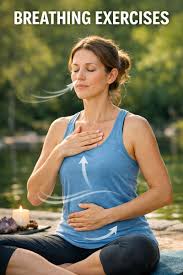
De-stress with intentional breathing
Intentional breathing works by slowing the nervous system, lowering stress signals, and helping the body shift from “fight-or-flight” into a calmer state. Even a few minutes can help reduce tension, racing thoughts, and physical stress.
Here are some simple techniques:
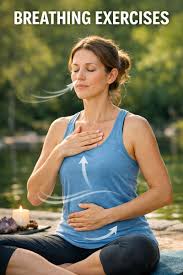
1. Slow Deep Belly Breathing
Place one hand on your chest and one on your belly.
Inhale slowly through your nose for 4 counts
Let your belly expand
Exhale slowly for 6 counts
Repeat for 3–10 minutes
Longer exhales tend to calm the nervous system.
2. Box Breathing
Often used for stress regulation and focus.
Inhale for 4
Hold for 4
Exhale for 4
Hold for 4
Repeat several rounds.
Visualizing a square while breathing can help concentration.
3. 4–6 Relaxation Breath
Very simple and effective before sleep or during anxiety.
Inhale through the nose for 4
Exhale slowly through the mouth for 6
The slower exhale signals safety to the body.
4. Alternate Nostril Breathing
A traditional calming practice.
Close right nostril and inhale through left
Close left nostril and exhale through right
Inhale through right
Close right and exhale through left
Continue gently for a few minutes.
5. Breath + Intention
Pair breathing with calming thoughts.
For example:
Inhale: “I welcome peace.”
Exhale: “I release tension.”
Or:
Inhale calm
Exhale stress
This can help the mind and body work together.
Helpful tips:
Breathe gently, not forcefully
Relax your jaw and shoulders
Try 5 minutes in the morning and before sleep
Fresh air, sunlight, or quiet music can enhance relaxation

Improve your body's flow of energy with Qi Gong
Qigong focuses on breath, posture, movement, and awareness to help cultivate and circulate energy (“qi”) through the body. In traditional practice, smooth energy flow is associated with relaxation, balanced breathing, grounding, and gentle movement rather than force.
Here are foundational ways to improve energy flow through Qigong:
1. Relax the Body First
Tension is believed to block energy flow.
Before practice:
Relax the jaw, shoulders, stomach, and hips
Slightly bend the knees
Keep the spine long but not stiff
Let the breath become natural
The goal is “relaxed alertness.”
2. Practice Deep Natural Breathing
Breath is central in Qigong.
Try:
Inhale slowly through the nose
Let the lower belly expand
Exhale gently and completely
This is often called abdominal or “dan tian” breathing.
Many traditions focus awareness on the lower abdomen (below the navel), considered an important energy center.
3. Move Slowly and Continuously
Gentle flowing movement helps coordination between breath and body.
Helpful beginner movements include:
Raising and lowering the arms with breath
Gentle spinal rotations
Slow arm circles
Weight shifting from foot to foot
Move slowly enough that you can feel the motion internally.
4. Practice Standing Meditation
Standing still is a major Qigong practice.
A simple posture:
Feet shoulder-width apart
Knees soft
Arms rounded gently in front of chest
Tongue resting lightly on roof of mouth
Breathe naturally
Start with 3–5 minutes and gradually increase.
This practice is believed to build internal energy and grounding.
5. Focus the Mind Calmly
In Qigong, intention and attention guide energy.
Try placing awareness on:
The breath
The palms
The lower belly
Sensations of warmth, tingling, or heaviness
Do not force sensations — simply observe.
6. Spend Time in Nature
Traditional practices often emphasize:
Morning sunlight
Fresh air
Barefoot grounding on natural surfaces
Practicing near trees or water
Many practitioners feel this enhances calmness and vitality.
7. Consistency Matters More Than Intensity
10–20 minutes daily is often considered more beneficial than occasional long sessions.
Morning practice is commonly recommended because energy is thought to feel freshest and most balanced then.
Some people report sensations such as:
warmth,
tingling,
magnetic feeling in hands,
calmness,
emotional release,
improved sleep,
or increased vitality.
These experiences vary from person to person.
For beginners, gentle styles are usually best, such as:
Eight Brocades (Ba Duan Jin)
Shibashi Qigong
Standing meditation (Zhan Zhuang)


Movement & Physical Activity
The human body was designed to move. Regular physical activity supports cardiovascular health, muscle strength, flexibility, balance, circulation, and overall longevity. Movement also plays an important role in regulating mood, reducing stress, improving sleep quality, and increasing energy levels.
Holistic wellness recognizes that exercise does not need to be extreme to be effective. The goal is to find enjoyable forms of movement that support both physical and mental well-being. Consistent movement helps maintain mobility, supports healthy aging, and encourages a stronger connection between the body and mind.
Practices may include:
Walking and outdoor activities
Strength training
Stretching and mobility exercises
Yoga or Pilates
Functional fitness
Recreational sports
Dance and movement therapy
Daily physical activity






Parasites Cleanse
Some herbs and foods are traditionally used in folk medicine and herbal practices to support digestion and gut health during a “parasite cleanse.” Scientific evidence is mixed, and natural remedies are not guaranteed to eliminate actual parasitic infections — especially serious ones. If you have symptoms like unexplained weight loss, persistent diarrhea, anemia, fever, severe bloating, or you believe you were exposed to contaminated water/food, it’s important to get tested by a medical professional because some parasites require prescription treatment (Ivermectin, Hydroxychloroquine, Fenbendazole or other).
Commonly used natural approaches include:
Garlic — traditionally valued for sulfur compounds like allicin.
Clove — often paired with other herbs; contains eugenol.
Pumpkin seed — traditionally used in many cultures.
Papaya seed — sometimes blended into smoothies in folk practices.
Ginger — may support digestion and reduce nausea.
Turmeric — often used for inflammation and gut support.
Oregano oil — commonly used in herbal antimicrobial protocols.
Black walnut — a traditional herb sometimes included in cleanse formulas.
Wormwood — historically used in herbal medicine, but should be used cautiously.
Supportive habits often recommended alongside herbs:
Staying hydrated
Eating fiber-rich foods
Limiting excess sugar and ultra-processed foods
Getting adequate sleep
Supporting regular bowel movements
A common folk combination people talk about is:
garlic + pumpkin seeds
clove + black walnut + wormwood
papaya seeds with honey
oregano oil short-term
Important cautions:
Essential oils (especially oregano oil) can irritate the stomach if overused.
Wormwood and black walnut are not appropriate for everyone and can interact with medications or cause side effects.
“Parasite cleanse” supplements can sometimes be harsh on the liver or digestive tract.
Not all digestive symptoms are caused by parasites — stress, IBS, food sensitivities, infections, or other conditions are more common.

Detox from heavy metals and toxins
The body already has highly effective detoxification systems—primarily the liver, kidneys, digestive tract, lungs, skin, and lymphatic system. Rather than extreme cleanses or detox products, the most effective approach is to support these natural processes through healthy lifestyle habits.
Ways to Support Your Body's Natural Detoxification:
• Drink plenty of water throughout the day to support kidney function and waste removal.
• Eat plenty of fiber-rich foods such as vegetables, fruits, legumes, nuts, and seeds to promote healthy digestion and elimination.
• Increase consumption of cruciferous vegetables like broccoli, cauliflower, cabbage, Brussels sprouts, and kale, which contain compounds that support liver detoxification pathways.
• Include antioxidant-rich foods such as berries, leafy greens, herbs, and colorful vegetables to help protect cells from oxidative stress.
• Prioritize quality sleep (7–9 hours per night), as many repair and waste-clearing processes are most active during sleep.
• Exercise regularly to support circulation, metabolism, and lymphatic flow.
• Practice deep breathing, stretching, rebounding, massage, or dry brushing to encourage lymphatic movement.
• Reduce exposure to toxins when possible by choosing natural cleaning products, filtering drinking water, and limiting tobacco smoke.
• Limit alcohol consumption, which places an additional burden on the liver.
• Minimize ultra-processed foods, excess sugar, and trans fats.
• Support gut health with fermented foods and a diverse, nutrient-rich diet.
Holistic Wellness Approaches Often Used for Detox Support:
• Infrared sauna therapy
• Epsom salt baths
• Lymphatic drainage massage
• Regular movement and sweating
• Stress reduction practices such as meditation, yoga, and breathwork
• Adequate sunlight exposure and time in nature
Signs Your Body May Benefit From Better Detox Support:
• Low energy
• Brain fog
• Digestive issues
• Poor sleep
• Frequent headaches
• Skin breakouts
• Feeling sluggish or bloated
These symptoms can have many causes, so they're not necessarily signs of "toxins," but they can indicate that overall health habits need attention.
Detoxification is not something we do to the body—it is something the body does naturally every day. Our goal is to support the organs and systems responsible for detoxification through proper nutrition, hydration, movement, sleep, stress management, and reducing toxic exposures. 🌿✨
For enhanced detoxification use Zeolite on somehow regular basis and/or Activated Charcoal for short period of time (cold/flu, headache, stomach issues, food poisoning etc..)



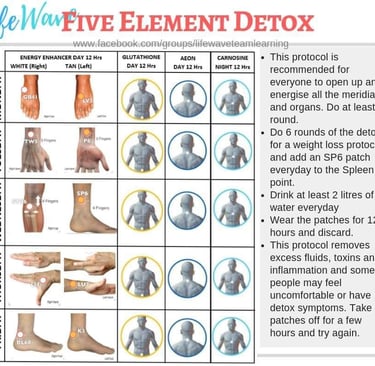
Improve health of your body with Phototherapy
WHAT IS PHOTOTHERAPY?
Understanding the Science
The science of phototherapy, which has been around for about 100 years, uses light to improve the health of the body. As far back as two thousand years ago, the ancient Greeks had a center for studying the effects of different colored lights on the body. Even the ancient Egyptians, who promoted health by focusing sunlight through colored glass on certain areas of the body, understood this concept.
Our non-transdermal patches fit simply into your daily lifestyle.
How do our Phototherapy Patches Work?
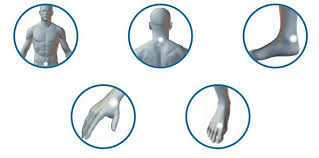
Your body emits heat, including heat in the infrared spectrum. Our patches are designed to trap this infrared energy when placed on the body, which causes them to reflect it back to stimulate specific points on the skin that can promote a general state of health and healthy activity unique to each LifeWave patch.
PHOTOTHERAPY
For centuries, phototherapy has been used to improve health. Phototherapy, sometimes called light therapy or photobiomodulation, works by using a mechanism to reflect or shine light into the body. With LifeWave, our patches reflect your energy back into your body.
ACUPRESSURE
By capturing visible and infrared light, acupressure works like acupuncture, which is based on the concept that we all have a human energy field that flows through “meridians” in the body. The belief held in traditional Chinese medicine is it is necessary to avoid blockages of Qi energy in those meridians to live well.
By applying slight pressure to various points corresponding to the Chinese tradition, the belief is that doing so will lead to a better state of wellness.






Nutrition & Nourishment
Proper nutrition is one of the most powerful foundations of health and wellness. The foods we consume provide the building blocks for every cell, tissue, hormone, and biochemical process within the body. A nutrient-rich diet supports energy production, immune function, healthy digestion, mental clarity, and the body's natural ability to heal and regenerate.
A holistic approach to nutrition goes beyond calories and restrictive dieting. It focuses on nourishing the body with whole, minimally processed foods while recognizing that each person has unique nutritional needs. Eating mindfully and choosing foods that support optimal health can help improve vitality, maintain a healthy weight, balance blood sugar, reduce inflammation, and promote long-term wellness.
Practices may include:
Whole-food nutrition
Hydration
Balanced blood sugar support
Mindful eating
Nutrient-dense meal planning
Digestive health support
Reducing processed foods and excess sugar
Individualized nutritional guidance
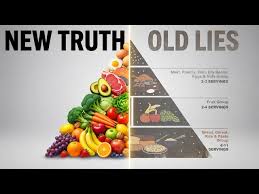
New Food Pyramid
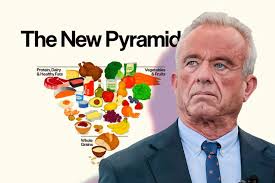
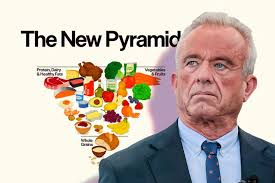
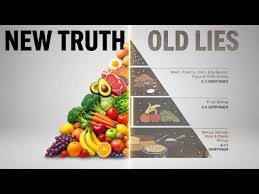
Many people believe Robert F. Kennedy Jr.'s new food pyramid represents a healthier approach to nutrition because it shifts the focus away from highly processed foods and added sugars and back toward whole, nutrient-dense foods. The updated guidelines emphasize quality proteins, vegetables, fruits, healthy fats, and full-fat dairy while encouraging Americans to reduce their consumption of ultra-processed foods, refined carbohydrates, artificial ingredients, and excess sugar. Supporters argue that this approach more closely reflects how humans have eaten throughout history and may help address the growing rates of obesity, diabetes, and other chronic metabolic diseases.
Another key difference is the emphasis on food quality rather than simply counting calories. The new pyramid encourages people to nourish their bodies with foods rich in vitamins, minerals, healthy fats, and protein that help support stable energy levels, satiety, muscle maintenance, and overall wellness. Advocates of the new model believe that prioritizing whole foods while limiting processed products can help individuals reconnect with natural eating habits and support the body's ability to function and heal more effectively. While some nutrition experts continue to debate certain aspects of the guidelines, particularly the increased emphasis on meat and full-fat dairy, many agree that reducing ultra-processed foods and added sugars is a positive step for public health.
Healthy Eating Principles:
• Choose whole, minimally processed foods whenever possible.
• Fill half your plate with colorful vegetables and fruits.
• Include quality protein at every meal to support muscle health, energy, and satiety.
• Choose healthy fats such as avocados, olive oil, nuts, seeds, and fatty fish.
• Limit added sugars, sugary drinks, and highly processed snacks.
• Select high-fiber foods, including vegetables, fruits, legumes, nuts, seeds, and whole grains.
• Stay hydrated by drinking plenty of water throughout the day.
• Read ingredient labels and choose foods with simple, recognizable ingredients.
• Practice mindful eating by slowing down and listening to your body's hunger and fullness signals.
• Prioritize home-cooked meals whenever possible to have greater control over ingredients.
• Balance blood sugar by combining protein, healthy fats, and fiber-rich carbohydrates at meals.
• Limit artificial sweeteners, preservatives, colors, and flavor enhancers when possible.
• Support gut health with fermented foods such as yogurt, kefir, sauerkraut, kimchi, or kombucha.
• Eat a variety of nutrient-dense foods to provide your body with essential vitamins, minerals, and antioxidants.
• Focus on long-term healthy habits rather than restrictive diets or quick fixes.


Sleep & Restoration: The Foundation of Health and Healing
In today's fast-paced world, sleep is often sacrificed in the pursuit of productivity, yet it remains one of the most powerful tools for healing, longevity, and overall well-being. Sleep is not simply a period of rest—it is an active biological process during which the body repairs, restores, and rejuvenates itself on every level: physical, mental, emotional, and energetic.
During deep sleep, the body repairs tissues, supports healthy immune function, balances hormones, regulates metabolism, and produces essential compounds needed for cellular regeneration. At the same time, the brain processes information, consolidates memories, removes metabolic waste, and restores cognitive function. Quality sleep allows us to wake feeling refreshed, focused, emotionally balanced, and prepared to meet the demands of daily life.
Why Sleep Matters:
Consistently getting restorative sleep can help:
Strengthen the immune system
Support healthy hormone balance
Improve memory, concentration, and mental clarity
Enhance mood and emotional resilience
Promote healthy weight management and metabolism
Support cardiovascular health
Improve skin repair and healthy aging
Increase energy, vitality, and overall quality of life
Enhance the body's natural healing and recovery processes
When sleep is insufficient or disrupted, the body experiences increased stress, inflammation, fatigue, weakened immunity, hormonal imbalances, and reduced physical and mental performance.
The Connection Between Sleep and Holistic Wellness:
Sleep influences every aspect of health. From a holistic perspective, restorative sleep allows the body, mind, and nervous system to return to a state of balance. It helps regulate stress responses, supports emotional processing, and provides an opportunity for deep healing and renewal.
Many people focus on nutrition, exercise, supplements, and skincare while overlooking sleep—the very foundation upon which these wellness practices depend. Without adequate sleep, the body's ability to utilize nutrients, recover from exercise, manage stress, and maintain optimal health becomes compromised.
How to Improve Sleep Naturally:
Small lifestyle changes can have a significant impact on sleep quality:
Maintain a consistent sleep and wake schedule.
Create a calming bedtime routine.
Reduce exposure to screens and blue light 1–2 hours before bed.
Keep your bedroom cool, dark, and quiet.
Limit caffeine and stimulants later in the day.
Avoid heavy meals close to bedtime.
Practice relaxation techniques such as meditation, breathwork, prayer, or gentle stretching.
Spend time outdoors and get natural sunlight exposure during the day.
Engage in regular physical activity.
Support your body's natural circadian rhythm by going to bed before midnight whenever possible.
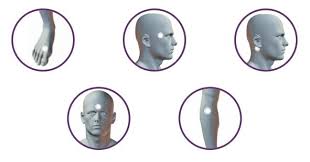
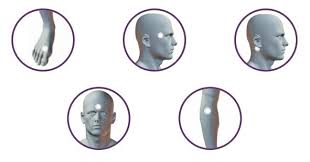
You may ad Silent Night light therapy patch to your bed time routine that stimulates your own melatonin production and people using it report much better sleep during night and calmer days (less anxiety during the day).
Rest Is More Than Sleep:
True restoration includes moments of rest throughout the day. Taking breaks, practicing mindfulness, spending time in nature, engaging in enjoyable activities, and creating space for emotional healing all contribute to a healthier nervous system and deeper sleep at night.
Remember: sleep is not a luxury—it is a biological necessity. Prioritizing restorative sleep is one of the most effective investments you can make in your health, vitality, longevity, and overall well-being. When we sleep well, we heal better, think more clearly, feel more balanced, and live with greater energy and purpose.




Emotional & Mental Well-Being
Emotional and mental well-being are essential components of overall health. Our thoughts, emotions, beliefs, and daily stress levels influence not only how we feel mentally, but also how our bodies function physically. Research has shown that chronic stress can impact the immune system, digestion, hormone balance, sleep quality, cardiovascular health, and the body's natural ability to heal and recover. When emotional challenges are ignored or left unresolved, they can contribute to ongoing physical discomfort, fatigue, tension, and a diminished sense of well-being.
A holistic approach recognizes the powerful connection between the mind and body. Emotional wellness is not about avoiding difficult emotions but learning how to acknowledge, process, and navigate them in healthy ways. Developing self-awareness and emotional resilience can help reduce the effects of stress while creating greater balance, inner peace, and overall vitality. When we support our emotional health, we often experience improvements in energy, relationships, focus, sleep, and physical wellness.
Many people spend years caring for others while neglecting their own emotional needs. Learning to establish healthy boundaries, manage stress effectively, and prioritize self-care can create profound positive changes in both mental and physical health. Even small daily practices can help regulate the nervous system and foster a greater sense of calm, clarity, and emotional stability.
Supportive practices for emotional and mental well-being may include:
Stress management techniques
Mindfulness and meditation
Therapy, counseling, or coaching
Journaling and self-reflection
Gratitude practices
Breathwork and relaxation exercises
Emotional release and energy-balancing techniques
Healthy boundaries and self-care routines
Time in nature and restorative activities
Meaningful social connections and support systems
By nurturing emotional and mental well-being, we create a stronger foundation for healing, personal growth, and a healthier, more fulfilling life.
True wellness involves caring for the whole person—mind, body, emotions, energy, and spirit—allowing each aspect to work together in harmony.





Stress Management & Nervous System Balance
Stress is a natural part of life, but chronic stress can have significant effects on physical, emotional, and mental health. Long-term activation of the body's stress response may contribute to fatigue, anxiety, digestive issues, sleep disturbances, hormonal imbalances, and decreased immune function.
Supporting nervous system balance is essential for overall wellness. By helping the body shift from a constant state of "fight or flight" into a more relaxed and restorative state, we can improve resilience, emotional regulation, focus, and physical health. Learning effective stress-management techniques can enhance quality of life and support long-term healing.
Practices may include:
Mindfulness and meditation
Deep breathing exercises
Relaxation techniques
Time in nature
Nervous system regulation practices
Self-care routines
Healthy boundaries
Stress reduction strategies


Energy & Spiritual Well-Being
Holistic wellness recognizes that health extends beyond the physical body. Many people find that nurturing their spiritual and energetic well-being brings greater peace, purpose, connection, and resilience. Spiritual wellness does not necessarily involve religion; rather, it reflects a sense of meaning, personal values, inner guidance, and connection to something greater than oneself.
When individuals feel aligned with their purpose and connected to their inner selves, they often experience greater emotional balance, fulfillment, and overall well-being. Taking time for reflection, mindfulness, and personal growth can support healing on deeper levels and create a greater sense of harmony in daily life.
Practices may include:
Meditation and mindfulness
Prayer or spiritual reflection
Energy-balancing practices
Time in nature
Personal growth and self-discovery
Gratitude practices
Purpose-driven living
Connection to personal values


Healthy Relationships & Social Connection
Human connection is a fundamental aspect of well-being. Positive relationships provide emotional support, reduce stress, encourage healthy behaviors, and contribute to a greater sense of belonging and fulfillment. Research consistently shows that strong social connections are associated with better physical health, mental well-being, and longevity.
Building and maintaining healthy relationships requires communication, trust, respect, and healthy boundaries. Whether through family, friendships, community involvement, or supportive groups, meaningful connections can help individuals navigate life's challenges while enhancing overall wellness and happiness.
Practices may include:
Building supportive relationships
Healthy communication skills
Setting and maintaining boundaries
Community involvement
Strengthening family connections
Social engagement
Conflict resolution
Cultivating meaningful friendships






Purpose, Meaning & Personal Growth
A sense of purpose gives direction to life and can positively influence both mental and physical health. People who feel connected to meaningful goals often experience greater motivation, resilience, fulfillment, and overall life satisfaction. Personal growth involves continually learning, evolving, and becoming the best version of oneself.
Holistic wellness encourages individuals to explore their passions, values, strengths, and aspirations. When we live in alignment with what matters most to us, we often experience greater joy, confidence, and inner peace. Personal growth is a lifelong journey that supports overall well-being and a deeper sense of fulfillment.
Practices may include:
Goal setting
Personal development
Self-reflection
Lifelong learning
Discovering personal strengths
Values-based living
Vision planning
Cultivating purpose and meaning






Mind-Body Connection
The mind and body are constantly communicating with one another. Thoughts, emotions, beliefs, and stress levels can influence physical health, while physical health can affect emotional and mental well-being. Understanding this connection allows us to take a more comprehensive approach to wellness and healing.
By cultivating awareness of how the body responds to thoughts, emotions, and life experiences, individuals can develop healthier coping strategies and improve overall well-being. Supporting the mind-body connection encourages greater self-awareness, resilience, balance, and a deeper understanding of the factors that influence health.
Practices may include:
Mindfulness practices
Meditation
Breathwork
Body awareness techniques
Guided visualization
Yoga and gentle movement
Stress reduction techniques
Emotional processing and self-reflection




Preventive & Lifestyle Wellness
Prevention is one of the most effective approaches to maintaining long-term health and vitality. Rather than waiting for health challenges to arise, preventive wellness focuses on creating daily habits that support optimal physical, mental, and emotional well-being.
Small, consistent lifestyle choices can have a profound impact over time. By prioritizing healthy habits, regular self-care, stress management, movement, nutrition, and restorative practices, individuals can improve quality of life, reduce health risks, and support healthy aging. Preventive wellness empowers people to take an active role in their health and create a strong foundation for lifelong well-being.
Practices may include:
Healthy daily habits
Regular physical activity
Balanced nutrition
Stress management
Adequate sleep and recovery
Routine wellness assessments
Self-care practices
Long-term health planning